How to Balance an Internship and School in High School: A Practical Guide for Parents
9 min read
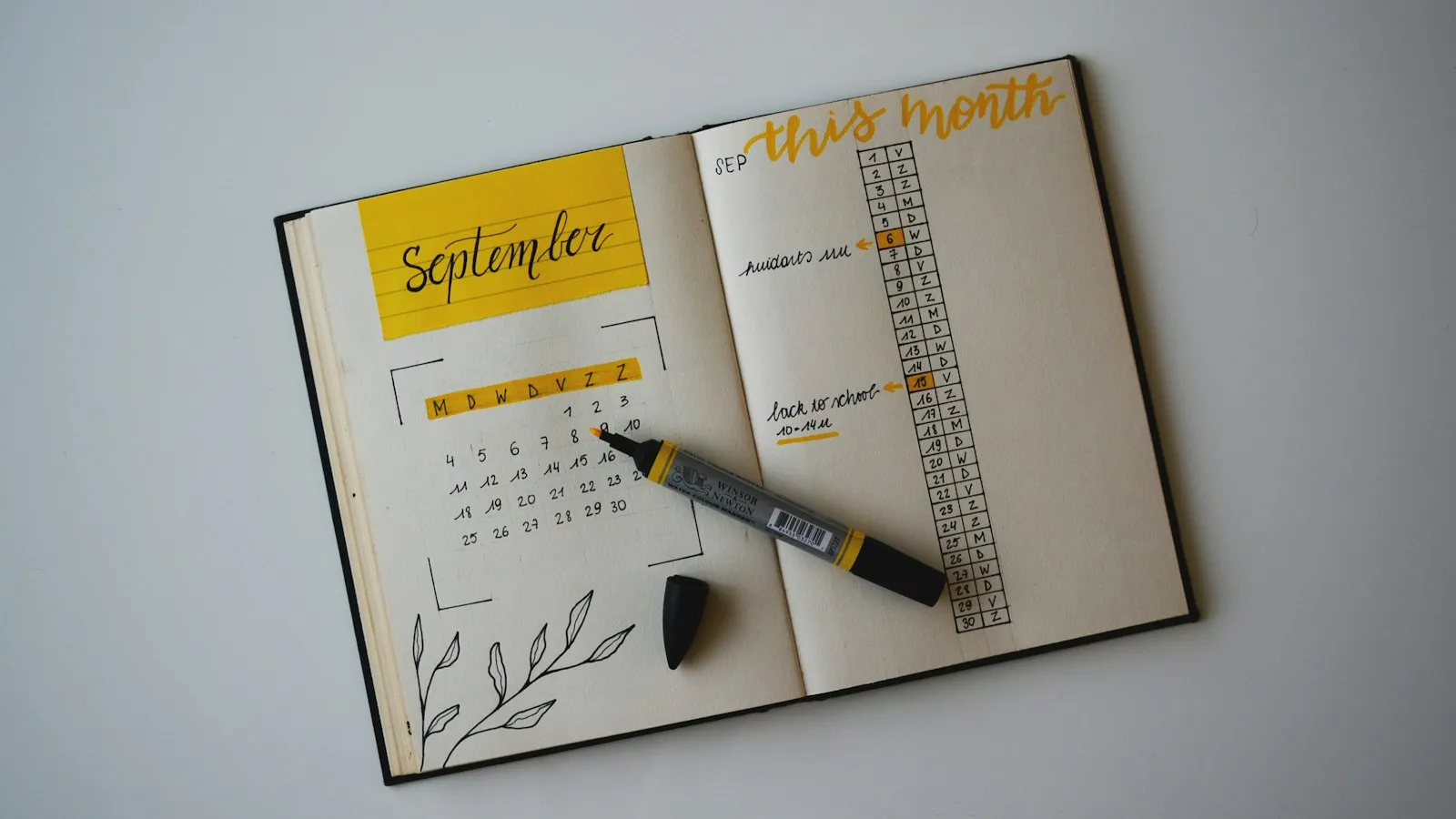
TL;DR: To balance an internship and school in high school, treat school as the fixed part and the internship as a small, fenced block. Put two or three set work slots in the week, tell the mentor about every exam on day one, and shrink the load in exam weeks. Hold a ten-minute check-in each week. Sleep, mood and grades tell you if the plan works.
Most advice on how to balance an internship and school in high school is written for college students, who have flexible timetables. Your teen has a bell schedule, homework every night, tests that cannot move and, often, a sport or an instrument on top. The question is not whether your teen is “busy enough.” It is what happens in week three, when a chemistry test and a project deadline land on the same Thursday.
This guide gives you a plan for that week. It covers a six-week arc, an exam-week routine, warning signs, and the questions to ask any program. It is written for parents, and teens can read it too.
How do you balance an internship and school in high school?
Keep the internship small and fixed. Choose two or three work blocks a week, put them in the same slots every time, and protect sleep, homework and one free evening. Tell the mentor your school calendar early. When school gets heavy, the internship block shrinks first.
The plan below uses six weeks because many short internships run about that long. It works for any short internship. It is an illustration, not a record of any real student.
- Before week one: map the six weeks. Sit down with your teen and a school calendar. Mark every test, mock exam, project due date, trip and match. If two of the six weeks are crowded, ask whether the start can move.
- Week one: fix the blocks. Choose two or three slots, such as one weekday evening after homework and one weekend morning. Write them in the family calendar. Share the exam dates with the supervisor in the first week.
- Weeks two and three: build the habit. Work only inside the blocks. When a block ends, stop, even if the task is unfinished. A project can fill any time you give it, so the block is what keeps it small.
- Week four: review the middle. Ask three questions. Is sleep the same as before? Are recent school marks steady? Does your teen still talk about the project with interest? If any answer is no, cut one block.
- Week five: plan the finish. Agree on what “done” means for the project, so the last week is a clear push and not an open-ended scramble.
- Week six: finish and rest. Hand over the work, then take a few light days. The last check-in with the supervisor is a good place to talk about what the project taught your teen.
CollegeXpress, a college-planning site, gives similar advice to high school interns: use a planner, finish tasks quickly so work does not pile up, and keep a regular sleep schedule. The detail that makes it work in practice is the fixed block.
What should a teen do in an exam week?
In an exam week, cut the internship to the minimum or pause it, and say so in advance. Tell the mentor the week before, not the night before. Protect sleep above all. A short pause costs little, and a rushed, tired exam week can cost much more.
Here is a simple routine your teen can use:
- Seven days before: send the mentor a short note. A script that works: “I have exams from Monday to Thursday next week. I’ll skip my work blocks and be back on Friday. Can we move our call?”
- During the exams: no internship work in the hour before bed, none on the morning of an exam, and no new tasks.
- After the last exam: one rest evening first, then restart with the smallest task on the list.
Pausing for a week is normal in a six-week project, but it should be planned. Ask how the organisation handles a paused week before you agree, and agree a lighter week with the supervisor ahead of time.
How many hours a week is reasonable for a teen?
There is no official number for an unpaid, remote internship. As a rule of thumb, plan a few hours a week and see how your teen copes. Add time only if sleep, mood and marks stay steady for several weeks. If school is already heavy, start lower.
Sleep is the best guide. The CDC lists 8 to 10 hours a day for teens aged 13 to 17, based on a consensus statement from the American Academy of Sleep Medicine. If the internship pushes your teen under that, the plan is too big, whatever the hour count says.
What are the warning signs that it is too much?
Watch for lost sleep, a first-ever drop in marks, a short temper after work sessions, and dread when the internship comes up. One sign is a reason to talk. Two or more together mean you should cut the load that week, not wait to see.
Some signs are physical. MedlinePlus lists sleep problems, headaches, stomach aches and changes in eating as signs of unresolved stress in children. It also lists anger, worry, being unable to relax and not wanting to join family or school activities. Its guidance is to talk to a child’s doctor if a child is withdrawn or unhappy, or has problems in school or with friends or family.
Other signs show up in the schedule. Your teen stays up late “to catch up” for several nights in a row. They skip practice, a friend or a family meal to finish a task. They say “I’ll do it later” about homework but never about the internship. Or the same task keeps moving from block to block.
If you see these, act in order. First, ask what feels heaviest, without blame. Second, halve the internship block for one week. Third, tell the mentor. Fourth, if nothing improves, pause and finish later. Stopping is not failing. If your teen is unhappy for a different reason, our guide on what to do when a teen hates the internship covers that case.
Which questions should you ask a program about school balance?
Ask how much time the work really takes, what happens in an exam week, who the mentor is and how often they meet, whether a pause is allowed, what your teen gets at the end, and where all communication happens. A good program answers each one in writing.
The most useful questions are these:
- How many hours a week do students usually need, and can that change in a busy week?
- Can a student pause for exams, and what happens to the project?
- Who is the mentor, and how often does your teen meet them?
- Where does communication happen, and can a parent see it?
- What does the student have at the end? A named project and a letter from the company are easy to check; a generic certificate is not.
- What are the refund terms if the fit is wrong?
Ask these before your teen starts. We also have a longer list in questions to ask before enrolling a teen in an internship.
Looking for opportunities that don’t cost anything? LEAD Internships lists free internships for students, and explains how each listing is checked.
How can parents check in without taking over?
Hold one ten-minute check-in a week, at the same time, and ask the same three questions: how did the work go, what is next, and what is in the way? Your role is to notice trouble early. The work itself belongs to your teen and their mentor.
Here is why the fixed routine helps. A teen who knows the check-in is coming will usually bring up problems before they grow. A parent who asks every day will get one-word answers.
Keep the questions about the load, not the quality. “Did you sleep enough this week?” gets a more honest reply than “Is the project good?” Your teen’s mentor handles feedback on the work, and our guide to weekly mentor meetings explains what a good session covers.
Also let your teen speak up for themselves. If an exam week is coming, they should send the message to the mentor, with you in the background. It is a small skill, and it is the one that most helps them in a real workplace later. For more on this, see our advice on succeeding in a virtual internship.
How does a remote internship fit around school?
A remote internship fits around school because there is no commute and no fixed office day. Work can happen in an evening or at a weekend. The catch is that nobody sees your teen at a desk, so the routine has to come from the family and the mentor.
Remote internships are often mostly on the student’s own schedule, so they fit around school and any time zone. LEAD Internships, a free directory, lists internships for students, each verified by people and free to apply to.
An internship is not the right fit for every teen at every moment. A student who is already behind in school, or who has a heavy exam load for the whole of the next six weeks, may be better off waiting. Choose an internship whose dates fall in a calmer stretch.
Frequently asked questions
Is my teen mature enough to balance an internship and school?
Probably, if they can finish a small task alone and ask for help when stuck. They do not need a perfect record. The plan above does much of the managing for them. Our guide on whether your teen is ready for an internship lists seven signs to check.
How much school time will an internship take?
It should take none. Work belongs in evenings and weekends, in set blocks, and never during lessons. The honest cost is free time and energy, not class time. If your teen misses lessons or homework, the plan is too big.
What if exams clash with the internship?
Pause or shrink it for that week and tell the mentor early. Send a short message at least a week ahead, and restart with a small task afterward. A planned pause is normal. Silence from a student is what causes problems.
Should a teen tell the school about the internship?
You do not have to, but it can help to tell a trusted teacher or counselor, especially in exam years. They can warn you if marks start to slip. It also gives your teen another adult who knows about the load.
Is it safe for my teen to work online with a mentor?
Safety needs checking with any program. Keep communication on visible channels, stay involved in what your teen agrees to, never share personal documents and never pay an individual for a placement. Our guide to spotting scams lists the warning signs.
The bottom line
Balance does not come from a clever app. It comes from three plain things: a small fixed block, an early word to the mentor, and a weekly check on sleep, mood and marks. School stays first, and the internship fits around it.
If your teen is looking, browse free internships together and check each listing’s dates against the school calendar.
- school balance
- exams
- for parents
- remote internships