Internships for High School Students in Rural Areas: What Actually Works
8 min read
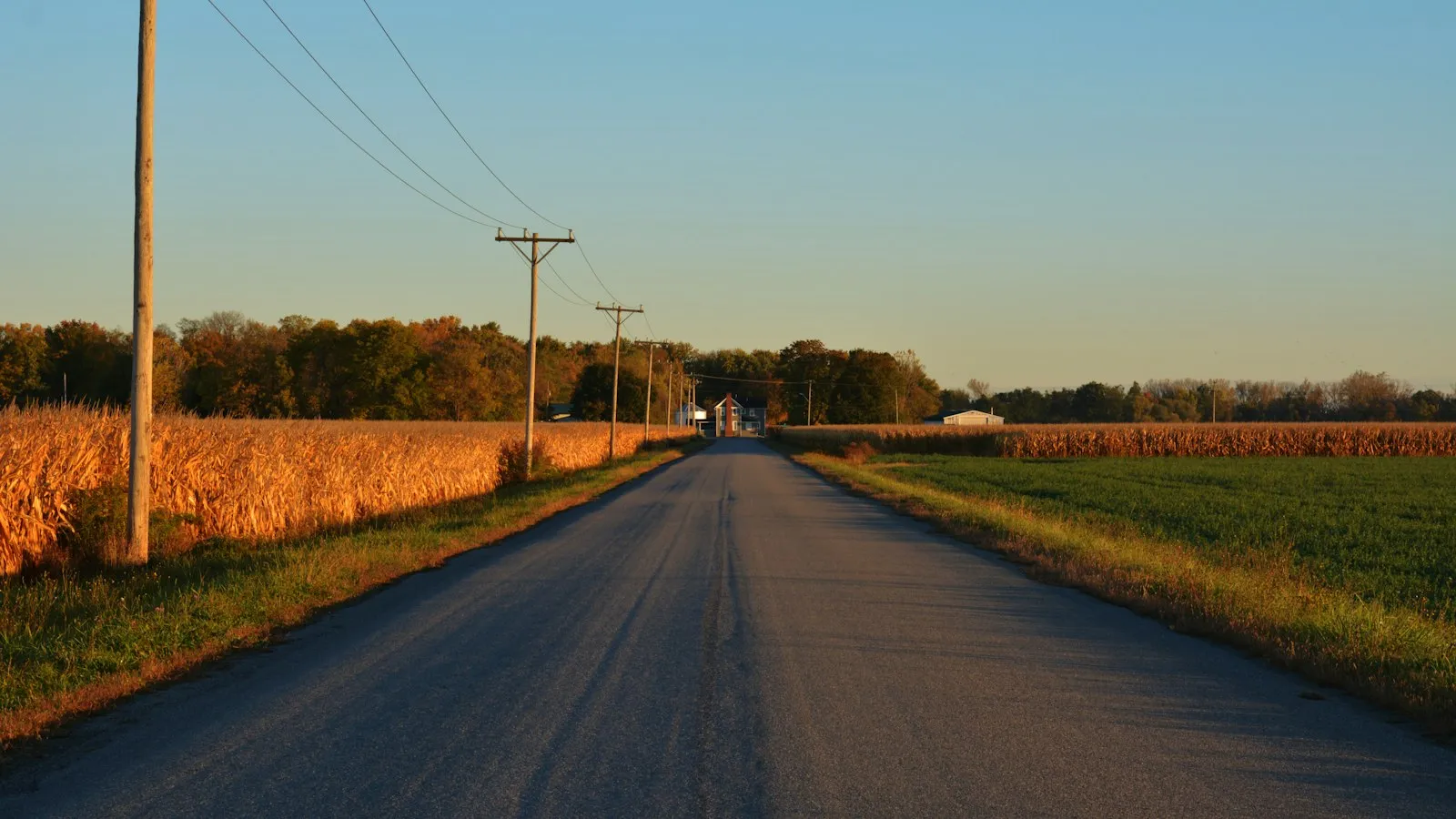
TL;DR: The hard part of internships for high school students in rural areas is distance: few employers, no bus, maybe a weak internet connection. Start with remote internships that need only a laptop and a few hours a week, then add local options: clinics, farms, county offices, and school staff. Contact 20 places by email or in person, with a parent or guardian knowing. A free directory like LEAD Internships can show you which remote listings exist.
If you live in a small town, most internship advice does not fit you. It says “visit local companies” when the nearest company with a desk is 40 minutes away. It says “take the train downtown” when there is no train. Your problem is not a lack of ambition.
That is the real constraint behind internships for high school students in rural areas: distance, not ability. Distance rules out some formats. It does not rule out the work. This guide covers what fits a small town, what gets in the way, how to describe it on an application, and a 12-month plan that does not need a car.
What internship options fit students in rural areas?
The best fits are remote internships, which need no commute, and short local placements that a school, clinic or farm can arrange. Both avoid the main rural problem: no big employer nearby. Check every listing’s format and where it accepts students before you spend time on it.
Start with the free LEAD Internships directory filtered to remote listings. Each listing shows its format, who can apply and where students can be, so read the “Where” line first. Some remote roles accept students only from certain countries or states. Listings change, so check what is there now rather than assuming.
Next, think about what rural places do have. Four kinds of local placement come up again and again.
Health care. Rural clinics and hospitals often have more need than staff. The federal Area Health Education Centers program, run by HRSA, funds networks that aim to improve care in rural and underserved areas,, and its funding notices have required youth programs that introduce high school students to health careers. For example, the San Luis Valley AHEC in Colorado runs a free health careers program and offers travel reimbursement to some students from outside its home town. Offerings differ by state, so search for your regional AHEC. In Kansas, McPherson Hospital lets high school seniors with a CNA certificate spend 90 minutes a day for a semester rotating through departments. That one is arranged through the school, which is a model worth asking your counselor about.
Agriculture. If your school has an agriculture program, ask about a Supervised Agricultural Experience. Nebraska’s FFA guide describes placement projects with farms, ranches, farm supply stores and food testing labs, paid or unpaid, with a teacher involved.
County and town offices. The clerk, the planning office, the library, the fire department and the Extension office all run on small teams. The USDA says Cooperative Extension has an office in or near almost all of the nation’s 3,000 counties, and many run 4-H youth programs.
Small businesses. A hardware store, an accountant, a vet, a local newspaper or a real estate office can all give a student a real project, such as a spreadsheet, a social media plan or a customer list.
What are the real obstacles, and how do you get around them?
The three real obstacles are few nearby employers, no reliable transport, and slow internet. Each has a workaround. None of them needs you to move or to pay for anything.
No employers nearby. Stop looking for “an internship” and look for a person with a problem you can help with. One owner of a small business is enough. Build a list of 20 places within reach, including ones that do not look like internship hosts. Include every business on your main street, the county offices, the nearest clinic, two farms or co-ops, your church or community group, and the school itself. Then write to each one. The starter kit’s cold email template gives you wording, and our guide on how to email a company for an internship shows weak and strong versions. Expect most to say nothing. A few replies are a good result.
No car or bus. Count only what you can reach safely. A place within bike or walking distance counts. So does a remote task for a place far away: a farm co-op three towns over may be happy to have you help with its website from home. Never accept a ride from an adult you do not know, and tell a parent or guardian where you are going and who you are meeting.
Slow or unreliable internet. Be honest about it with any host before you start. Ask for tasks that work offline, such as writing, research or spreadsheets, and send work as files rather than joining long video calls. Your public library often has faster Wi-Fi and a quiet desk, and its staff can tell you about lending programs. Read remote internship requirements for teens to see what a remote host usually expects.
One more point on hours. In the US, federal rules limit 14- and 15-year-olds to 3 hours on a school day and 18 hours in a school week, and to work between 7 a.m. and 7 p.m., except from June 1 to Labor Day, when the evening limit is 9 p.m. Federal law sets no hours limit for 16- and 17-year-olds. State law may be stricter. These are in the Department of Labor fact sheet, and hosts often cite them.
How should rural students present this on applications?
Admissions officers read your record against your opportunities. Say clearly what was available where you live, then show what you did with it. A finished, real project in a small town reads as initiative, not as a smaller version of a city internship.
Use the Additional Information section of the Common App, or your counselor’s letter, to give context in one or two plain sentences. For example: “The nearest hospital is 45 minutes away and my town has no public transport, so I did a remote data project for a regional nonprofit.” Do not apologize and do not exaggerate.
Then be specific about the work. Name the organization, your task, the hours, and what you produced: a brochure, a cleaned dataset, a filing system, a ranked list of 40 prospects. A supervisor who watched you do it can answer a reference request. Our guide on the informational interview also shows how a 20-minute call with someone in a field can become a concrete next step.
Be honest if the work was small. A summer helping a county clerk digitize records is a real accomplishment. Colleges know that a small town may offer no formal programs at all.
Need something that works around distance? Browse free remote internships and check where each one accepts students from.
A realistic 12-month plan for a rural student
This plan assumes about three to five hours a week and no transport. Adjust it for your school load and for the rules in your state.
This month. Tell a parent or guardian what you are doing. Write your list of 20 local places and one remote-first list from the directory. Make a one-page résumé; the starter kit has a template for high schoolers with no experience.
This term. Send your 20 messages, a few each week. Visit in person where it is safe and a parent agrees. Talk to your counselor and to teachers in agriculture, business or science about school-arranged placements. Apply to any remote listings that fit.
This year. Say yes to one small, defined project, even unpaid, as long as it is free to you, supervised, and agreed with your family. Keep a log of what you did. If nothing comes through, create your own project: a website for a local club, a survey of local services, or a garden data log. The starter kit shows how. Ask the person who saw your work for a short reference before the term ends.
Frequently asked questions
What can I do if there are no companies near me?
Work remotely, or work for the organizations that every town has: the county office, a clinic, farms, the library and small shops. You need one person willing to give you a task. Send 20 short messages and expect some silence.
Can I intern remotely if my internet is slow?
Yes, with limits. Tell the host early, ask for tasks that work offline, and avoid roles that need daily video calls. Use the library for faster Wi-Fi. Each remote listing in the directory shows its format, so you can filter for work that fits your connection.
Which local places take a teen intern in a small town?
Clinics, Extension and 4-H offices, farms and farm suppliers, town or county offices, local newspapers, vets, accountants and small shops. Ask your school too: an agriculture teacher may know about a Supervised Agricultural Experience, and a counselor may know which employers have taken students before.
What if I can’t drive or there is no bus?
Choose remote work or places you can reach on foot or by bike. Do not accept rides from adults you do not know. Always tell a parent or guardian where you are going, who you are meeting and when you expect to be back. A task done from home counts as much as one done in an office.
How do I ask my counselor for help?
Send a short email or book a five-minute meeting. Say what field interests you, how many hours you have, and that you want an introduction to any local employer who has hosted students. Ask whether the school can send a supporting note. Bring your one-page résumé so the counselor has something to share.
Is it safe to contact adults I don’t know?
It can be, with care. Tell a parent or guardian first, use email or visible channels rather than private messaging, and meet in public or with a parent present. Never pay anyone for a placement and never send personal documents. The starter kit’s scam section lists warning signs.
The bottom line
Rural students face a real constraint, and it is fair to say so. But distance changes the route, not the goal. Start with the free LEAD Internships directory, check each listing’s format and where students can be, and combine it with 20 honest messages to people near you. One small, supervised project that you can explain well is enough to show initiative. Tell a parent or guardian at every step, and start with the list this week.
- rural students
- remote internships
- small town
- high school